
“An informed tenant is a protected tenant,” a principle every business owner should embrace when leasing commercial property. Securing office or warehouse space can be thrilling, but the thrill quickly fades if unexpected fees or obligations emerge after signing the contract. Leasing agreements often contain clauses that appear minor but can carry significant financial implications. Being proactive and strategic in evaluating offers prevents surprises that could strain cash flow or disrupt operations. Whether considering long-term leases or short-term rentals, understanding all associated costs and contractual terms is essential. For businesses exploring commercial property for sale, careful research and professional guidance can safeguard investments and provide clarity in complex agreements.
Verify Additional Fees and Operating Costs
Many leases include operating costs that extend beyond base rent. These might include security services, landscaping, communal area maintenance, and municipal levies. Confirm whether these fees are fixed or variable, and determine how they are calculated. Asking for historical expense records can provide insight into realistic expectations for your business. Understanding these charges ensures there are no sudden financial shocks during the lease term. In commercial hubs such as Sandton and Bryanston, operating costs can vary considerably depending on property size, amenities, and management practices. Clear knowledge of these charges is essential for accurate budgeting.
Review the Lease Agreement Thoroughly
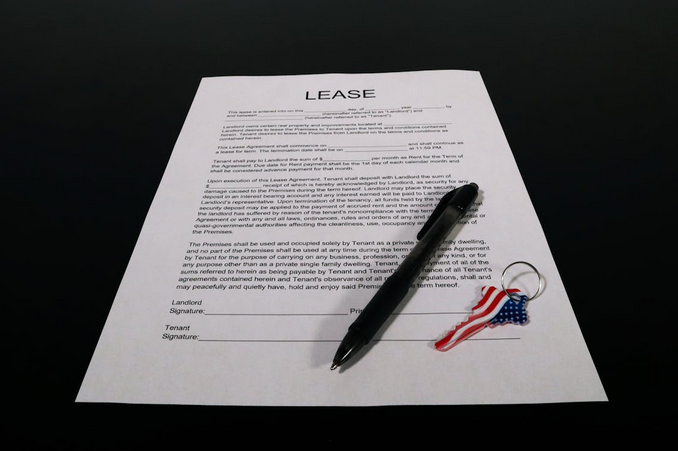
The next tip to avoid hidden costs is to read the lease agreement with full attention to detail. Clauses related to maintenance, repairs, property taxes, insurance contributions, and utility responsibilities can vary widely between landlords. Overlooking even one ambiguous term can result in unexpected expenses. Focus on how costs are allocated between the tenant and landlord. Request written clarification for any vague language. Take note of escalation clauses, which may adjust rent periodically. By identifying all potential charges upfront, tenants avoid surprises and can better project operational budgets over the lease period.
Inspect the Property Before Signing
Physically inspecting the property before committing to a lease helps uncover potential liabilities. Check for structural issues, roofing condition, electrical systems, plumbing, and any compliance requirements for safety or municipal regulations. Deferred repairs or unreported damages could result in costly responsibilities falling on the tenant. Request that all existing conditions are documented in the lease agreement or an addendum. In commercial districts with office parks or multi-tenant warehouses, professional property inspections provide reassurance and prevent misinterpretation of what the landlord is responsible for versus what the tenant must maintain.
Negotiate Key Terms and Clauses

Negotiation is critical to prevent hidden costs from affecting your bottom line. Many lease elements, including rent increases, repair responsibilities, signage rights, and exit terms, can be adjusted to favor both parties. Don’t accept standard clauses without review. Professional legal or real estate advice can reveal clauses that may impose future costs. Discussing these points before signing ensures your lease reflects realistic obligations. Businesses exploring commercial property for sale or long-term leases benefit significantly from a strategy that identifies negotiable aspects, reduces uncertainty, and protects operational finances from unforeseen expenses.
Seek Expert Guidance
Working with a professional real estate agent, property lawyer, or consultant provides additional protection. These experts understand local property laws, typical lease structures, and common pitfalls in commercial agreements. They can identify costs that may otherwise be overlooked, advise on reasonable rent terms, and review agreements for compliance with municipal regulations. Leveraging this expertise reduces risk and provides confidence in your leasing decision. Property professionals also provide access to unlisted or exclusive options, helping businesses find suitable locations without compromising on terms or facing hidden fees.
Leasing commercial property without encountering hidden costs requires diligence, strategic planning, and professional insight. Reviewing agreements, verifying operating costs, inspecting the property, negotiating terms, and seeking expert guidance equips tenants with clarity and control. These steps reduce the risk of unexpected financial burdens, safeguard cash flow, and provide peace of mind. Businesses that approach commercial leases systematically are better positioned to maximize operational efficiency while avoiding costly surprises that could undermine long-term plans. With a disciplined approach, leasing becomes a straightforward process rather than a source of stress.



 In today’s digital age, marketing plays a crucial role in selling a home. If your property’s marketing efforts are lackluster, it may not be reaching the right audience or generating enough interest. This could be due to outdated or insufficient listing photos, a lack of online presence, or ineffective advertising strategies. To improve your marketing efforts, consider investing in professional photography and 3D virtual tours, as well as using social media and online listing platforms to reach a wider audience. You may also want to work with a reputable real estate agent who has a strong marketing strategy in place.